
Faculty-Led Initiative: Faculty Writing Accountability Group (WAG)
Read about the initiative and interview with Dr. Dustin Duncan, Associate Dean for Health Equity Research and Professor of Epidemiology at the Mailman School of Public Health
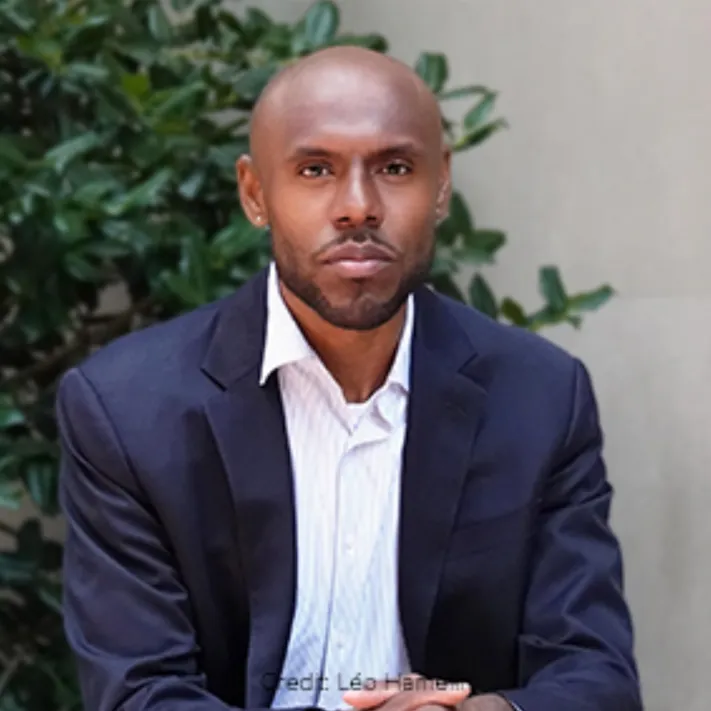
We are pleased to announce the launch of the Columbia University-Wide Writing Accountability Group (WAG) Initiative, a faculty-designed and led program, facilitated by Dr. Dustin T. Duncan, Associate Dean for Health Equity Research and Professor of Epidemiology at the Mailman School of Public Health
Supporting faculty across all Columbia schools, this initiative aims to:
- Promote consistent and structured writing time for faculty at all career stages.
- Strengthen research and scholarly output, including manuscripts, books, and grants.
- Enhance faculty community and well-being through collaboration and structured academic engagement.
Interview with Professor Dustin T. Duncan
To begin, what first inspired your interest in creating structured writing communities for faculty, and what led you to launch the Columbia University-Wide Faculty Writing Accountability Group Initiative?
My interest grew from years of observing a simple but persistent challenge in academia: faculty are evaluated on writing, yet rarely given structured time or community to support it. Writing is central to scholarly life (grants, manuscripts, books, policy briefs, community reports) but it is often squeezed between meetings, teaching, and administrative responsibilities and often during non-traditional working hours. This gap disproportionately affects faculty with heavier service and mentoring loads. I launched the Columbia University-Wide Faculty Writing Accountability Group Initiative to address this structural gap. The goal was not to “fix” individual productivity, but to build an institutional scaffold that protects writing time and fosters peer support across Columbia schools. In doing so, we demonstrate and affirm that scholarship deserves structure, not just aspiration.
How would you describe the Faculty Writing Accountability Group (WAG) Initiative to someone encountering it for the first time?
The WAG Initiative is a structured, university-wide program that provides faculty with protected writing time in a small-group setting. Participants meet regularly for focused writing sessions, guided by trained facilitators, with light-touch accountability and peer support.
It is simple by design: we create consistent space for faculty to write, reflect on goals, and sustain momentum within our existing academic structures. The model is adaptable across disciplines and career stages, and it centers community without adding administrative burden. In doing so, we normalize writing as protected scholarly labor rather than discretionary time.
The initiative is grounded in the belief that writing is both an individual and collective scholarly practice. Why is community-based accountability so important for sustaining faculty productivity and professional growth?
Writing may be solitary in execution, but it is collaborative and collective in impact. Academic scholarship shapes fields, informs policy and trains future scholars. I have learned that when faculty write in community (with other faculty as well as trainees), they benefit from shared energy, reduced isolation, and a sense of mutual investment in one another’s projects and progress.
Community-based accountability normalizes challenges, fosters practical solutions and creates steady forward movement. It shifts productivity from a private struggle to shared commitment and progression. That shift is especially important in research and grant-intensive environments where expectations are high and time is often fragmented. Moreover, when writing cultures are communal, institutional research output becomes more predictable, sustainable and transformational.
As a researcher and academic leader, how have you seen structured writing support impact faculty success, particularly for early-career scholars and those navigating competing demands? How does the WAG Initiative help address these challenges across Columbia’s diverse schools and disciplines?
Structured writing support is transformative, particularly for early-career faculty balancing teaching, grant deadlines, service, and personal responsibilities. When writing time is scheduled and protected, progress becomes measurable and sustainable.
In prior implementations of writing accountability models, we observed that a large majority of participants made tangible progress on grants and manuscripts during sessions. Beyond output, faculty reported increased clarity, reduced stress, and stronger peer networks.
The Columbia-wide WAG Initiative extends this structure across schools and disciplines. By creating interdisciplinary cohorts, we foster cross-campus intellectual connection and innovative while reinforcing the shared expectation that writing is essential work worthy of institutional protection.
The program emphasizes protected writing time, peer mentorship, and interdisciplinary connection. Why was it important to design the initiative around shared accountability and collaboration, rather than relying solely on individual writing practices?
Academic culture often treats productivity as an individual trait. I believe institutions have a responsibility to design environments that make success more achievable. Shared accountability introduces rhythm, continuity and connection. Collaboration builds relational capital and capacity across the university. Protected time signals that writing is not an after-hours activity but a core scholarly function. By structuring the initiative around interdisciplinary collaboration, we reinforce a culture in which faculty support one another’s advancement across disciplines rather than working in isolation.
What do you hope faculty participants and facilitators gain from the WAG Initiative, and how do you envision it shaping Columbia’s broader culture of scholarly productivity, mentorship, and academic community in both the short and long term?
In the short term, I hope participants gain momentum: drafts completed, grants submitted, manuscripts revised. I also hope they gain renewed excitement, confidence and connection. In the long term, I envision the WAG Initiative contributing to a cultural shift at Columbia: one where writing is openly prioritized, mentorship is embedded in daily practice, and interdisciplinary community across schools becomes routine rather than exceptional. This can lead to increased research expenditures, faculty retention and improved reputational metrics. From my experience, sustained scholarly productivity is intentional, not accidental. It emerges from systems that protect time and reinforce accountability. The WAG Initiative is one step toward institutionalizing that support at scale.