Christopher A. Baldassano, PhD
Associate Professor of Psychology
Christopher A. Baldassano runs the Dynamic Perception and Memory Lab, investigating how humans segment continuous experiences—like narratives, movies, or VR—into meaningful events, summarize them, and recall them later. His work explores how prior knowledge about temporal and spatial structure scaffolds our formation of mental representations and memory encoding. Through creative experiments and computational modeling, he uncovers the mechanisms by which our brains structure and store life's unfolding moments.
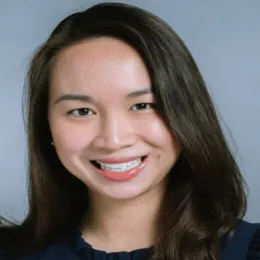
Carla Concepcion-Crisol, PhD
Assistant Professor of Molecular Pharmacology and Therapeutics
Carla Concepcion-Crisol investigates how chromatin remodeling and altered epigenetic states drive tumor initiation and progression. Her lab studies how disruptions in SWI/SNF complexes, particularly SMARCA4, reshape the chromatin landscape and influence cell fate. By revealing these molecular mechanisms, her research aims to guide the development of targeted therapies for difficult-to-treat cancers.
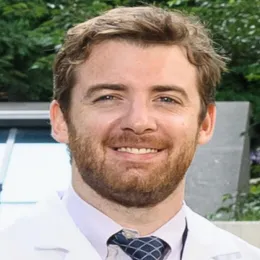
Matthew Cummings, MD, MS
Assistant Professor of Medicine at CUMC
Matthew Cummings studies the biological drivers of critical illness caused by infectious diseases, particularly in sub-Saharan Africa. His research integrates prospective cohort studies and data-driven modeling to improve outcomes for patients with severe infections in resource-limited settings. He also investigates the pathophysiology and management of emerging infectious diseases to inform global health preparedness.
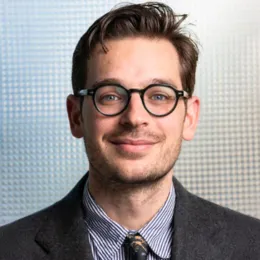
Giuseppe Cullaro, MD
Assistant Professor of Medicine
Giuseppe Cullaro is a hepatologist whose research explores the intersection of liver and kidney disease in patients with end-stage liver failure. His team studies predictive markers of renal dysfunction in cirrhosis to improve diagnosis, prevention, and transplant outcomes. Through clinical and translational research, he seeks to advance care strategies that protect kidney health in vulnerable liver disease populations.
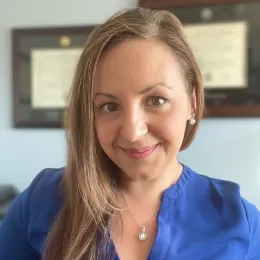
Christie Custodio-Lumsden, PhD
Assistant Professor of Nutrition Sciences (in Dental Medicine)
Christie Custodio-Lumsden is an Assistant Professor of Nutrition Sciences at Columbia University College of Dental Medicine in the Section of Oral, Diagnostic and Rehabilitation Sciences, Division of Foundational Sciences. She is committed to research that advances health equity and enhances understanding of behavioral drivers of health and disease. Dr. Lumsden’s work has largely focused on designing, implementing, and evaluating community-based interventions to promote healthy diet-related behaviors and reduce oral disease in young children. She is among a small cadre of nutrition scientists leading integration efforts in dentistry, studying and advancing interprofessional education and practice.

Joaquim Goes, DSc
Lamont Research Professor of Biology and Paleo Environment
Joaquim Goes studies how marine ecosystems and plankton communities respond to climate change by combining remote sensing, biogeochemical modeling, and direct ocean observations. His work explores how changes in nutrient availability, low-oxygen zones (hypoxia), ocean acidification, and physical ocean processes influence phytoplankton growth, light absorption in the ocean, and the cycling of carbon. His research aims to link the biological responses of individual cells and entire communities to broad, climate-driven shifts in ocean ecosystems—particularly the rise and spread of harmful algal blooms.
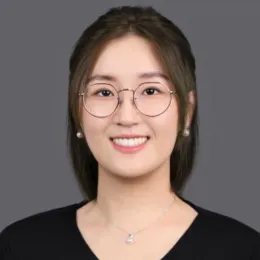
Tian Gu, PhD
Assistant Professor of Biostatistics
Tian Gu's research focuses on developing statistical and machine-learning approaches to advance precision medicine and improve patient outcomes in diverse populations. Her work spans predictive modeling with large-scale biobank and EHR data, generative models for synthetic data generation and medical imaging, and fine-tuning large language models for health applications. She also develops federated learning and other privacy-preserving approaches to enable secure analysis of sensitive health data. The methods and software she developed have supported studies in infectious disease epidemiology, pulmonary diseases, cardiovascular diseases, and cancer.
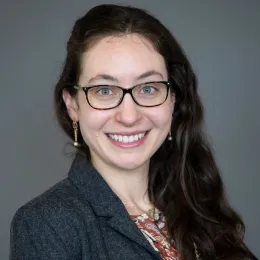
Shaina Kelly, PhD
Assistant Professor of Earth and Environmental Engineering
Shaina Kelly’s research explores how pore-scale transport processes shape fluid-mineral interactions in subsurface rocks as well as engineered porous materials for sustainable energy, resource recovery, and environmental applications. With over six years of subsurface industry experience, Dr. Kelly specializes in the integration of pore- to core-scale sample analyses techniques, microscopy, micro/nanofluidics, and computational fluid dynamics methods to identify emergent reactive transport phenomena in nanoporous and dual-porosity (unconventional) porous media. These pore-scale insights are scaled up to improve modeling of energy production, storage, and material performance.
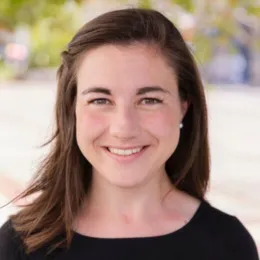
Naomi R. Latorraca, PhD
Assistant Professor in the Department of Biochemistry and Molecular Biophysics
Naomi Latorraca investigates how G-protein-coupled receptors (GPCRs) and other membrane proteins transmit and regulate cellular signals. By combining molecular simulations, single-molecule imaging, and other biophysical techniques, her lab reveals structural mechanisms that govern receptor activation and signaling bias. Her work provides a foundation for designing next-generation therapeutics with improved precision and fewer side effects.
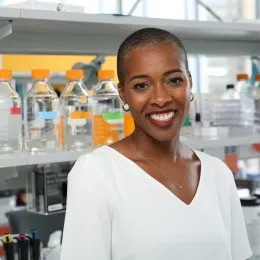
Bianca Jones Marlin, PhD
Herbert and Florence Irving Assistant Professor of Cell Research, Departments of Psychology and Neuroscience
Bianca Jones Marlin investigates how learned experiences can be biologically encoded and transmitted to future generations through transgenerational epigenetic inheritance. Using rodent models, her research examines how parental experiences reshape brain circuits, sensory processing, and behavior, building on her earlier discovery that the hormone oxytocin modulates auditory cortical plasticity and maternal care. By integrating neural imaging, behavioral assays, and molecular genetics, her lab aims to reveal how learned behaviors in parents can become innate in their offspring, with profound implications for brain health, mental well-being, and parenting.
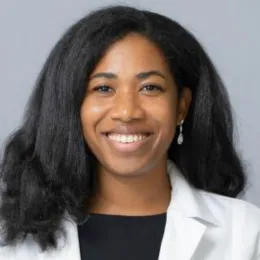
Nathalie Moise, MD, MS
Associate Professor of Medicine
Nathalie Moise studies strategies for implementing and scaling digital behavioral interventions in primary care and cardio-oncology. She leads the Im_Sci Lab, which designs and evaluates real-world interventions grounded in behavioral and implementation science. Her recent work focuses on engaging patients and clinicians in benchmarking and testing multimodal large language models for personalizing treatment in patients with coexisting psychological distress and cardiovascular disease.
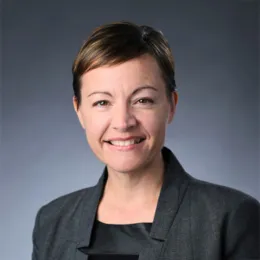
Rebecca Muhle MD, PhD
Assistant Professor of Psychiatry
Rebecca Muhle studies the molecular and cellular mechanisms underlying neurodevelopmental disorders such as autism spectrum disorder. Her research uses animal and cellular models to examine how disruptions in autism-associated genes alter brain development and function. This work seeks to bridge molecular findings with potential therapeutic approaches for affected individuals.
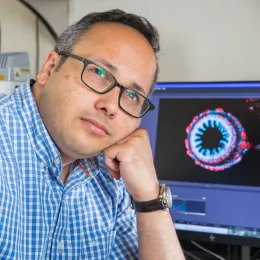
Nandan Nerurkar, PhD
Associate Professor of Biomedical Engineering
Nandan Nerurkar investigates the physical and molecular mechanisms that shape embryonic development, with a focus on how tissues bend, fold, and form complex structures. His lab integrates live imaging, genetic perturbation, and biomechanical modeling in model systems to reveal how cell signaling and mechanical forces interact during morphogenesis. Ultimately, this work uncovers mechano-molecular “design rules” that both illuminate the origins of developmental disorders and inform strategies for regenerative medicine and tissue engineering.

Associate Professor of Medical Sciences (in Medicine)
Kenneth Olive leads a multidisciplinary research team devoted to curing pancreatic ductal adenocarcinoma, one of the deadliest of human cancers. His team uses human tumor tissues, genetically engineered mice, and clinical trial samples to understand how novel drugs impact pancreatic cancer, and to develop new therapeutic approaches and combinations. His work combines molecular biology, genetics, systems biology, imaging, and other techniques to understand oncogenic signaling, tumor metabolism, tumor immunology, and the roles of each cell type in pancreatic cancer. Most recently, the Olive laboratory has contributed to the preclinical development of RAS inhibitors, a promising new class of anticancer drug that is now in Phase 3 clinical trials for metastatic pancreatic cancer.
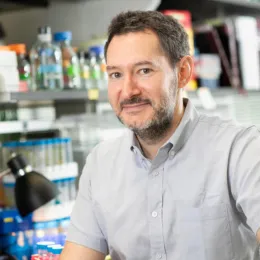
Juan Manuel Schvartzman, MD, PhD
Assistant Professor of Medicine
Juan Manuel Schvartzman is an Assistant Professor in the Department of Medicine at Columbia University Irving Medical Center and a Principal Investigator at the Herbert Irving Comprehensive Cancer Center. He is a physician-scientist whose group, chroMetab, focuses on how cellular metabolism influences chromatin biology and, in turn, impacts cell fate. Ongoing projects include investigating 1) the effects of polyamines on chromatin structure and function, and 2) how hypoxia affects cell fate decisions in the adult intestine and colorectal cancer. As a medical oncologist, he specializes in treating patients with gastrointestinal malignancies, with a focus on colorectal cancer, anal squamous cell carcinoma, and neuroendocrine tumors.
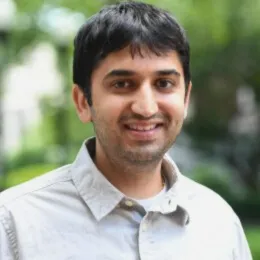
Neel H. Shah, PhD
Associate Professor of Chemistry
Neel H. Shah’s research centers on the chemical biology of cell signaling, with a particular focus on how protein tyrosine kinases and phosphatases orchestrate information flow in cells and contribute to diseases like cancer and immunological disorders. His lab employs chemical tools, high-throughput biochemical assays, biophysical measurements, and evolutionary principles to dissect the molecular mechanisms that regulate these critical enzymes. Through this interdisciplinary approach, he aims to reveal how signaling networks are controlled and how their dysregulation leads to pathology.
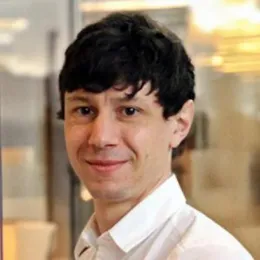
Michele Simoncelli, PhD
Assistant Professor of Applied Physics & Applied Mathematics
Michele Simoncelli develops first-principles quantum and computational frameworks to connect atomic-scale physics with macroscopic transport phenomena. His research examines the quantum transport of charge, heat, spin, and light, uncovering how these processes interplay and can be harnessed to design materials for energy conversion, information technologies, and emerging quantum devices. By integrating physics-based modeling with AI-driven simulations, his group creates predictive tools that accelerate the discovery and optimization of functional materials.
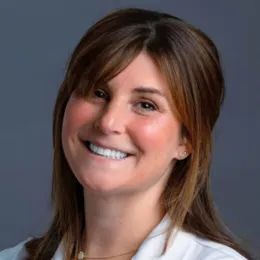
Jennifer Lillian Small-Saunders MD, PhD
Assistant Professor of Medicine
Jennifer Small-Saunders studies the molecular basis of drug resistance and stress adaptation in Plasmodium falciparum, the parasite responsible for malaria. Her lab uses gene editing, mass spectrometry, and deep sequencing to uncover epigenetic and epitranscriptomic pathways that enable parasite survival under treatment pressure. This work aims to identify new therapeutic targets to combat emerging resistance and improve global malaria control.
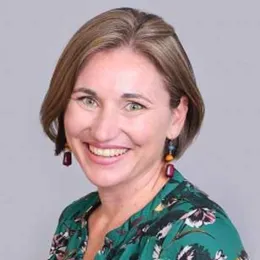
Dana Thomson, PhD
Senior Staff Associate III, Associate Director for Science Applications, Center for Integrated Earth System Information
Dana Thomson is a public health and spatial data expert with two decades of experience at the intersection of demography, geography, and public health. She manages the CIESIN Science Applications division, advancing interdisciplinary research on human-environment interactions and sustainable development. A co-founder of the Integrated Deprived Area Mapping System (IDEAMAPS) Network, she promotes equitable data partnerships and community-driven mapping. A pioneer in gridded population sampling, Dr. Thomson developed GridSample and authored the leading manual on gridded population surveys.
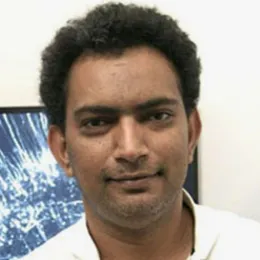
Raju Tomer, PhD
Assistant Professor of Biological Sciences
Raju Tomer develops molecular, optical, and computational tools to advance data-driven life sciences. His lab has pioneered 3D spatial biology technologies—including scalable light-sheet microscopy platforms—that make high-resolution imaging of intact tissues and organs widely accessible. These innovations facilitate the generation of high-throughput datasets needed for developing organ-scale AI foundational models for better understanding of diseases and drug discovery. Ultimately, his work delivers powerful, scalable tools—from in vitro brain network models to whole-organ mapping—that reveal how biological systems are organized and function from molecules to circuits.
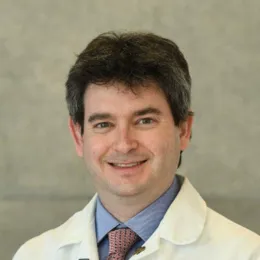
Joshua Weiner, MD
Florence Irving Assistant Professor of Surgery
Joshua Weiner investigates transplant tolerance and immune regulation in intestinal, kidney, and pancreas transplantation. His research focuses on improving outcomes for multi-visceral transplants through novel immunologic approaches. The goal of his work is to promote long-term graft survival without lifelong immunosuppression.
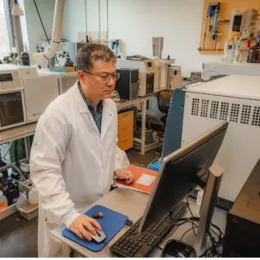
Beizhan Yan, PhD
Lamont Research Professor of Geochemistry
Beizhan Yan is a Lamont Research Professor at the Lamont–Doherty Earth Observatory (LDEO) of Columbia University, a co-director of the M.S. in Sustainability Science program at the School of Professional Studies (SPS), and a lecturer in the MPA in Environmental Science and Policy program at the School of International and Public Affairs (SIPA). He earned his Ph.D. in 2004 from Rensselaer Polytechnic Institute (RPI) in Troy, NY. Since joining Columbia in 2007, he has built the Environmental Organic Geochemistry Lab from the ground up—fully equipped to extract, isolate, and identify organic contaminants and biomarkers from environmental and biological samples. Dr. Yan leads collaborative research on measuring microplastics and nanoplastics in NYC waterways and air, investigating their links to adverse health outcomes, including neurodegenerative diseases, and developing engineering solutions to mitigate plastic pollution.
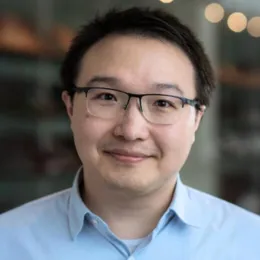
Dian Yang, PhD
Assistant Professor of Molecular Pharmacology and Therapeutics
Dian Yang investigates the genetic and epigenetic mechanisms that govern cancer cell plasticity and tumor evolution. His lab integrates CRISPR-based lineage tracing, single-cell genomics, and computational modeling to map how tumors arise and metastasize from single cells. This work aims to define the rules of tumor progression and reveal new therapeutic vulnerabilities across cancer types.